
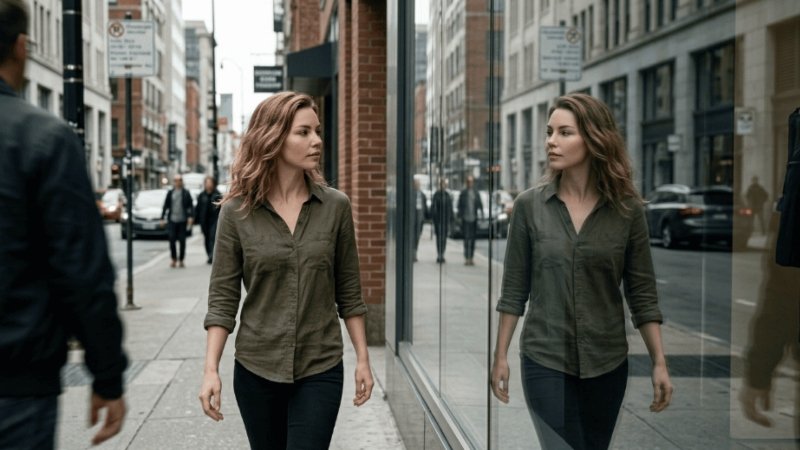
There was a time when edited images were easy to spot. You could see the seams. The lighting didn’t match. The face looked slightly detached from the scene. EvenEdited and Original Photos without technical knowledge, people could tell something had been altered. That line is fading fast.
Face swap AI is one of the biggest reasons Edited and Original Photoswhy. It’s not just improving editing quality. It’s changing how we define what “edited” even means. Today, many visuals don’t feel edited at all. They feel complete, natural, and intentional from the first glance.
When Editing Stops Looking Like Editing
Traditional photo editing always left traces. Maybe it was uneven lighting. Maybe it was a mismatch in texture. Or sometimes it was just a subtle feeling that something wasn’t right. Face swap AI approaches this differently.
Instead of layering changes on top of an image, it integrates identity into the scene in a way that respects lighting, depth, and composition. That shift removes the visible signs of manipulation.
The result is simple. The image no longer feels edited. It feels like it was captured that way.
Why Realism Is Closing the Gap
The biggest factor behind this shift is realism.
Modern face swap outputs maintain:
- Natural skin texture
- Lighting consistency
- Accurate shadows and reflections
- Proper alignment with the environment
These elements were difficult to achieve before. Now they are becoming standard. Face Swap within Higgsfield allows creators to generate visuals where the face blends seamlessly into the original scene, making it nearly impossible to distinguish between edited and original content.
That level of integration is what blurs the line.
The Role of Context in Perception
An image is never judged in isolation. Viewers interpret visuals based on context. If everything in the frame feels consistent, they assume it is real. Face swap AI works because it respects that context.
It doesn’t just focus on the face. It ensures the face matches:
- The lighting environment
- The angle of the camera
- The mood of the scene
When all these elements align, the brain stops questioning the image. Higgsfield helps creators maintain this alignment, which makes the final output feel cohesive rather than edited.
Subtle Details That Make the Difference
The gap between edited and original visuals is shrinking because of small details.
Not big transformations, but tiny refinements:
- Light reflecting correctly on the skin
- Shadows falling naturally across facial features
- Expressions matching the moment
These details don’t stand out individually. But together, they create a sense of authenticity. Face swap AI focuses heavily on preserving these nuances, which is why the results feel more natural than traditional edits.
Why Audiences Are Accepting These Visuals More Easily
People today are more visually aware than ever. They know content can be edited. They expect it, to some extent. But expectation has shifted from “is this edited?” to “does this feel real?”
If a visual feels natural, viewers accept it. Face swap AI meets that expectation by prioritizing realism over obvious transformation. It doesn’t try to impress with dramatic changes. It focuses on making the result believable.
That’s why the line between edited and original is becoming less relevant.
Consistency Across Content Strengthens the Illusion
Another reason this gap is shrinking is consistency.
When the same identity appears across multiple visuals with the same level of realism, the audience stops questioning authenticity.
It becomes familiar. Creators using Higgsfield can maintain this consistency across images, campaigns, and formats. That continuity reinforces the perception that the visuals are original, even when they are generated.
Consistency turns realism into credibility.
From Static Images to Dynamic Content
The shift isn’t limited to photos.
The same principles are now being applied to video content.
When face swap is combined with advanced AI video generation, the distinction between edited and original becomes even harder to define.
In motion, consistency becomes more complex:
- Lighting changes across frames
- Angles shift with movement
- Expressions evolve naturally
Maintaining realism in this environment requires precision, but when done correctly, the result feels seamless. This is where the gap truly disappears.
Creative Freedom Without Breaking Realism
One of the biggest advantages of this evolution is flexibility. Creators are no longer limited by what was originally captured.
They can:
- Adapt visuals for different audiences
- Update identity without reshooting
- Experiment with new creative directions
And still maintain a natural look. Face swap AI makes this possible by preserving the core realism of the image while allowing changes to be applied smoothly.
Higgsfield gives creators the tools to explore this flexibility without losing quality.
Why Is the Definition of “Original” Changing?
The idea of an “original” photo is becoming more fluid. If an image looks real, feels consistent, and aligns with its context, does it matter how it was created? Face swap AI challenges traditional definitions.
It shifts the focus from how an image was produced to how it is perceived. Viewers care less about the process and more about the experience. If the experience feels authentic, the image is accepted.
The New Standard for Visual Content
The gap between edited and original visuals is not just closing. It is redefining expectations.
High-quality visuals now need to:
- Feel natural at first glance
- Maintain consistency across formats
- Align with human perception of realism
Face swap AI is helping set this new standard. It is no longer about editing better. It is about creating visuals that don’t feel edited at all.
Conclusion
The line between edited and original photos is becoming harder to see. Face swap AI is at the center of that change, making it possible to create visuals that feel complete, natural, and believable.
Higgsfield enables creators to achieve this level of realism without complex workflows, allowing them to focus on creativity rather than correction.
The result is a new kind of visual content. Not edited. Not original. Just real enough to be accepted without question. For more details, Click here