
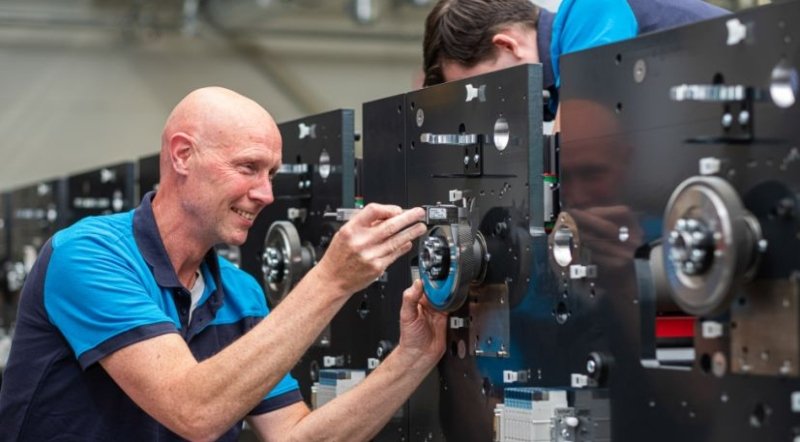
In today’s rapidly evolving industrial and technological landscape, engineering companies play a critical role in shaping infrastructure, manufacturing systems, and innovative solutions. One such name that often appears in different sectors is MPS Engineering. While the exact services may vary depending on the region or specialization, the term generally represents a professional engineering approach focused on efficiency, precision, and practical problem-solving.
This article explores what MPS Engineering typically stands for, the services it may offer, and why it matters in modern industries.
What is MPS Engineering?
MPS Engineering is commonly associated with companies or teams that provide mechanical, process, or production engineering solutions. The abbreviation “MPS” can have different meanings depending on the organization, but it is often linked to areas such as:
- Mechanical and Production Systems
- Manufacturing Process Solutions
- Maintenance and Plant Services
Regardless of the exact definition, the core idea remains the same: delivering reliable engineering solutions that improve performance and efficiency.
Core Services Offered by MPS Engineering
1. Design and Development
One of the key functions of MPS Engineering is designing systems, machines, or structures that meet specific industry needs. This involves careful planning, technical calculations, and the use of modern design tools to ensure accuracy and performance.
Whether it’s industrial equipment or infrastructure components, the goal is to create designs that are both functional and cost-effective.
2. Manufacturing and Production Support
MPS Engineering often plays a major role in improving manufacturing processes. This includes optimizing production lines, reducing waste, and ensuring that systems run smoothly.
By analyzing workflows and identifying inefficiencies, engineering teams help businesses increase productivity while maintaining quality.
3. Maintenance and Technical Services
Maintenance is essential for any engineering system, and MPS Engineering typically includes services related to equipment upkeep and repair.
Regular inspections, preventive maintenance, and quick troubleshooting help minimize downtime and extend the life of machinery. This is especially important in industries where even small delays can lead to significant losses.
4. Project Management
Engineering projects require careful coordination, and MPS Engineering often includes project management services. This involves planning, scheduling, budgeting, and overseeing the entire process from start to finish.
Effective project management ensures that projects are completed on time and within budget while maintaining high standards. See also Data fumbleboard lens sports affordable for more details.
Industries That Rely on MPS Engineering
MPS Engineering is not limited to one specific field. Its applications can be found across a wide range of industries, including:
- Manufacturing – Improving production systems and machinery
- Construction – Supporting structural design and project execution
- Energy – Maintaining and optimizing power systems
- Automotive – Enhancing design and production processes
- Industrial Plants – Managing operations and maintenance
This wide applicability makes it a valuable part of modern industrial development.
Why MPS Engineering Matters
Engineering is the backbone of progress, and MPS Engineering contributes by making systems more efficient, reliable, and sustainable.
Some key benefits include:
- Improved operational efficiency
- Reduced costs through better resource management
- Increased safety and system reliability
- Better use of modern technology and automation
These advantages help businesses stay competitive in an increasingly demanding market.
Challenges in Modern Engineering
Like any field, MPS Engineering faces its own challenges. Rapid technological changes require constant learning and adaptation. Engineers must also balance cost, performance, and environmental impact when designing solutions.
Another challenge is integrating new technologies, such as automation and digital systems, into existing infrastructure without disrupting operations.
The Future of MPS Engineering
The future of MPS Engineering is closely tied to innovation. As industries move toward automation, smart systems, and sustainable practices, engineering solutions will continue to evolve.
Trends such as:
- Smart manufacturing
- Artificial intelligence in engineering
- Energy-efficient systems
are shaping the next generation of engineering services.
Conclusion
MPS Engineering represents a practical and solution-driven approach to modern engineering challenges. Whether it’s designing systems, improving production, or maintaining equipment, its role is essential across multiple industries.
As technology continues to advance, the importance of efficient and reliable engineering solutions will only grow. MPS Engineering stands as a key contributor to this progress, helping industries build smarter, stronger, and more sustainable systems. For more details, Click here