
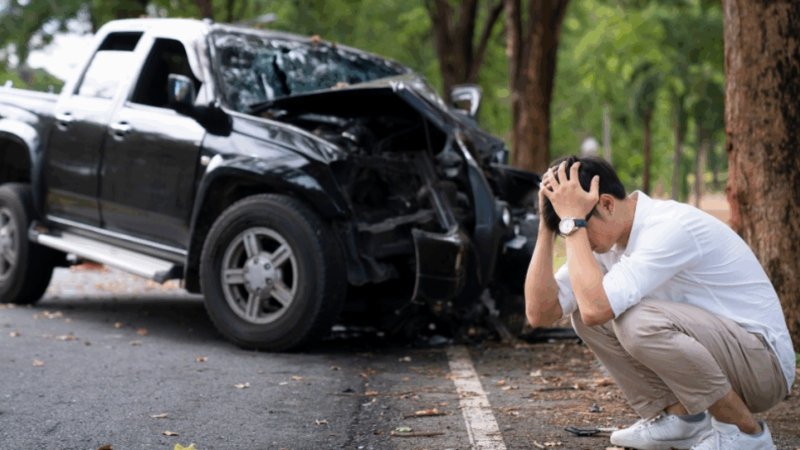
A car accident can happen without warning, leaving drivers and passengers unsure of what to do next. Even a minor collision can create confusion, stress, and financial concerns. While every accident is different, taking the right steps immediately afterward can help protect your health, preserve important evidence, and make the insurance and legal process much smoother.
Understanding how to respond after an accident is essential for anyone who spends time on the road. A calm and informed approach can prevent costly mistakes and ensure that your rights remain protected.
Prioritize Safety First
Your first responsibility is to check whether anyone has been injured. If there are injuries or the vehicles are creating a dangerous situation, contact emergency services immediately. If it is safe to do so, move the vehicles out of traffic to reduce the risk of additional accidents.
Even if everyone appears to be fine, remember that some injuries may not become noticeable until hours or even days later. Seeking medical attention is always a wise decision after a collision.
Report the Accident
In many situations, reporting the accident to local law enforcement is recommended or legally required. A police report creates an official record of the incident and may become valuable if questions arise during the insurance claim process.
Provide accurate information when speaking with officers, but avoid making assumptions or admitting fault before the facts have been fully evaluated.
Gather Important Evidence
The quality of your documentation can significantly influence the outcome of an insurance claim.
Take photographs of:
- Vehicle damage
- Road conditions
- Traffic signs and signals
- License plates
- Any visible injuries
- The overall accident scene
Exchange contact and insurance information with the other driver, and if witnesses are present, politely ask for their names and contact details.
Notify Your Insurance Company
Contact your insurance provider as soon as possible after the accident. Give a clear and factual description of what happened while providing the documentation you collected.
Insurance companies often request photographs, repair estimates, police reports, and medical records, so keeping everything organized can save time later.
Understand Your Legal Options
While many accidents are resolved through insurance, more serious situations involving injuries, disputed liability, or significant financial losses may require professional legal guidance.
If the accident occurred in Illinois, consulting an experienced Chicago auto accident lawyer can help you understand your legal rights, evaluate your potential claim, and navigate complex legal procedures. Established firms such as Lerner and Rowe have extensive experience representing accident victims and helping them pursue fair compensation for medical expenses, lost wages, property damage, and other losses.
Common Mistakes to Avoid
Many people unintentionally weaken their claims by making avoidable mistakes after an accident. Some of the most common include:
- Leaving the accident scene too quickly.
- Failing to collect photographs and evidence.
- Delaying medical treatment.
- Posting details of the accident on social media.
- Accepting an early settlement without understanding its long-term consequences.
Avoiding these errors can strengthen both insurance and legal claims.
Keep Organized Records
Maintain a dedicated file containing:
- Medical bills
- Vehicle repair estimates
- Insurance correspondence
- Police reports
- Rental car receipts
- Records of missed work
- Photographs and witness information
Well-organized documentation makes it easier to support your claim if questions arise later.
Final Thoughts
A car accident is never a pleasant experience, but knowing what to do can reduce unnecessary stress and protect your interests. Prioritizing safety, documenting the incident carefully, cooperating with your insurance provider, and seeking qualified legal guidance when necessary can make a significant difference in the outcome of your case. For more details, Clickh here